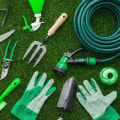
When it comes to creating a thriving garden, having the right lawn and garden supplies is crucial, especially when it comes to planting and transplanting. These processes are not just about digging holes and placing seeds or plants; they require precision, care, and the right tools to ensure that your plants establish themselves well in their new environment. Whether you are a seasoned gardener or a novice, understanding the essential tools for planting and transplanting can make a significant difference in the success of your gardening endeavors. Planting tools are designed to help you prepare the soil, create the perfect planting holes, and ensure that your seeds or seedlings are placed at the right depth. On the other hand, transplanting tools are specifically crafted to assist in moving plants from one location to another with minimal stress.
Using the appropriate tools not only enhances your efficiency but also promotes healthier plant growth by reducing root disturbance and ensuring proper soil contact. In this section, we will delve into the various types of tools that every gardener should consider adding to their collection. From basic hand tools like trowels and spades to specialized equipment such as transplanting forks and soil augers, each tool plays a vital role in the planting and transplanting process. By equipping yourself with these essential lawn and garden supplies, you can set the stage for a flourishing garden that thrives season after season.
Basic Tools for Planting
When it comes to successful planting, having the right lawn and garden supplies is crucial. Here are some of the basic planting tools that every gardener should consider:- Shovel: A sturdy shovel is essential for digging holes and moving soil.
Look for one with a comfortable grip and a strong blade to handle various soil types.
- Trowel: This small hand tool is perfect for planting seeds, transplanting seedlings, and digging small holes. A trowel with a pointed tip can help you navigate through tough soil.
- Garden Fork: Ideal for breaking up compacted soil, a garden fork can also be used to mix in compost or other amendments to improve soil quality.
- Gloves: Protecting your hands is vital when working in the garden. Choose gloves that are durable yet flexible enough to allow for dexterity while planting.
- Watering Can: A good watering can helps ensure that your plants receive the right amount of moisture without overwatering. Look for one with a long spout for easy access to hard-to-reach areas.
Having the right tools not only makes the planting process easier but also enhances your overall gardening experience. By equipping yourself with these essential gardening tools, you’ll be well-prepared to tackle any planting project, ensuring that your garden thrives and flourishes throughout the seasons.
Essential Transplanting Tools
When it comes to successful transplanting, having the right lawn and garden supplies is crucial. The following tools are essential for ensuring that your plants transition smoothly from one location to another.- Transplanting Spade: This tool features a narrow blade that allows for precise digging around the root system of your plants. Its design minimizes root disturbance, making it ideal for moving delicate seedlings or established plants.
- Hand Fork: A hand fork is perfect for loosening soil around the roots before lifting a plant. Its tines can easily penetrate compacted soil, ensuring that you can extract the plant with minimal damage.
- Garden Trowel: A versatile tool, the garden trowel is essential for digging small holes and transferring soil.
It’s particularly useful for planting smaller plants or bulbs during the transplanting process.
- Pruning Shears: While not directly a transplanting tool, pruning shears are vital for trimming back any overgrown roots or foliage before moving a plant. This helps reduce stress on the plant and encourages healthy growth in its new location.
- Watering Can: After transplanting, it’s important to water your plants thoroughly. A watering can allows you to provide just the right amount of moisture without overwhelming the roots.
By equipping yourself with these essential tools, you’ll be well-prepared to tackle any transplanting project with confidence.
Specialized Tools for Specific Plants
When it comes to planting and transplanting, having the right specialized tools can make all the difference, especially when dealing with specific types of plants. Each plant has unique requirements, and using the appropriate tools can ensure their health and growth.Bulb Planters
For those who love spring blooms, bulb planters are essential. These tools allow you to dig precise holes for bulbs like tulips and daffodils without disturbing the surrounding soil too much. A good bulb planter typically features a cylindrical design with a sharp edge, making it easy to penetrate the ground.Root Pruners
When transplanting delicate plants, root pruners are invaluable.These specialized scissors are designed to cut through roots cleanly, promoting healthier growth when moving plants from one location to another. They help prevent root damage and encourage new root development.
Transplanting Trowels
A transplanting trowel is another must-have tool for any gardener. With a narrow blade and pointed tip, this tool allows you to dig up small plants or seedlings with minimal disturbance to their roots. It’s perfect for transferring plants from pots to garden beds.Soil Augers
If you’re planting larger specimens or trees, consider using a soil auger.This tool drills deep into the ground, creating a hole that’s just the right size for your plant’s root ball. It saves time and effort compared to traditional digging methods.
Specialized Watering Tools
Finally, don’t overlook the importance of specialized watering tools. For instance, a watering wand can help you reach deep into flower beds without damaging delicate plants. Additionally, drip irrigation systems can provide targeted watering for specific plants, ensuring they receive the right amount of moisture.Investing in these lawn and garden supplies tailored for specific plants not only enhances your gardening experience but also contributes to the overall success of your garden.Safety Gear and Accessories
When it comes to planting and transplanting, gardening safety gear is essential for protecting yourself while working in your lawn and garden.Investing in the right safety equipment not only enhances your comfort but also ensures that you can work efficiently without risking injury.
- Knee Pads: Spending long hours on your knees can lead to discomfort and strain.
Knee pads
provide cushioning and support, allowing you to work on planting beds or during transplanting without the worry of sore knees. - Gloves: A good pair of gardening gloves is crucial for protecting your hands from cuts, blisters, and exposure to harmful chemicals. Look for gloves that offer both durability and flexibility, allowing you to handle delicate plants with care.
- Safety Glasses: If you're working with tools or handling soil that may contain debris, wearing safety glasses can protect your eyes from potential injuries.
- Sun Protection: Don’t forget about sun safety! A wide-brimmed hat and sunscreen are vital accessories to shield yourself from harmful UV rays while you work outdoors.
- Trowels: A sturdy trowel is indispensable for digging holes and moving soil. Choose one with a comfortable grip to reduce hand fatigue.
- Plant Labels: Keeping track of what you've planted is easier with plant labels.
They help you remember the types of plants and their care requirements.
- Watering Cans: A good watering can is essential for ensuring your new plants receive adequate moisture after transplanting. Look for one with a long spout for precision watering.
Maintenance of Gardening Tools
Maintaining your gardening tools is essential for ensuring their longevity and effectiveness. Proper care not only enhances the performance of your lawn and garden supplies but also makes your gardening tasks easier and more enjoyable.Here are some practical tips for keeping your tools in top shape:
- Clean After Use: Always clean your tools after each use. Remove soil, sap, and debris with a wire brush or cloth. For stubborn dirt, soak the tools in warm soapy water before scrubbing.
- Dry Thoroughly: Moisture can lead to rust and corrosion. After cleaning, dry your tools completely with a towel or let them air dry in a well-ventilated area.
- Sharpen Blades: Dull blades can make gardening tasks more difficult and less efficient.
Regularly sharpen the edges of pruners, hoes, and shovels using a sharpening stone or file to maintain their cutting power.
- Oil Moving Parts: For tools with moving parts, such as shears and pruners, apply a few drops of machine oil to keep them functioning smoothly. This prevents rust and ensures easy operation.
- Store Properly: Store your tools in a dry place to prevent moisture buildup. Hanging them on a wall or placing them in a toolbox can help keep them organized and protected from damage.
- Inspect Regularly: Periodically check your tools for any signs of wear or damage. Replace broken handles or worn-out parts promptly to avoid accidents and ensure safety while gardening.
Investing time in caring for your lawn and garden supplies will pay off in the long run, making your gardening experience more productive and enjoyable.
FAQs About Planting and Transplanting Tools
When it comes to planting and transplanting, having the right tools can make all the difference. Here are some frequently asked questions regarding these essential lawn and garden supplies.What tools are essential for planting?
- Hand Trowel: A versatile tool for digging, planting, and transferring soil.
- Garden Fork: Ideal for loosening soil and mixing in compost or fertilizers.
- Gloves: Protect your hands from dirt and potential injuries while working.
- Watering Can: Ensures that your newly planted seeds or seedlings receive adequate moisture.
What should I consider when choosing transplanting tools?
- Size: Ensure the tools are appropriate for the size of the plants you are transplanting.
- Material: Look for durable materials like stainless steel that can withstand tough soil conditions.
- Ergonomics: Choose tools with comfortable grips to reduce strain during use.
How do I care for my planting and transplanting tools?
Caring for your tools is crucial for their longevity. Here are some tips:- Clean after use: Remove soil and debris to prevent rust and damage.
- Store properly: Keep tools in a dry place to avoid moisture buildup.
- Sharpen blades: Regularly sharpen any cutting edges to maintain efficiency.
Conclusion: Choosing the Right Tools for Your Garden Needs
In conclusion, selecting the right tools for planting and transplanting is crucial for achieving a thriving garden.The right lawn and garden supplies not only enhance your efficiency but also ensure the health and vitality of your plants.Throughout this article, we have explored various essential tools that cater to different gardening needs. From hand trowels for precise digging to transplanters that minimize root disturbance, each tool plays a significant role in the planting process. Additionally, investing in quality gloves and kneeling pads can protect you from injuries and make your gardening experience more enjoyable.
Key Considerations When Choosing Tools:
- Durability: Opt for tools made from high-quality materials that can withstand regular use.
- Comfort: Ergonomically designed handles can reduce strain on your hands and wrists.
- Size: Ensure the tools are appropriate for the scale of your gardening projects, whether small or large.
- Functionality: Choose versatile tools that can serve multiple purposes to save space and money.