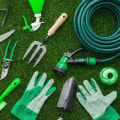
Maintaining a vibrant and healthy lawn and garden requires more than just a green thumb; it necessitates the right lawn and garden supplies. Whether you are a seasoned gardener or a novice homeowner, understanding the essential tools for lawn care and garden maintenance is crucial for achieving the lush landscapes you desire. From rakes to specialized debris removal tools, having the appropriate equipment can make all the difference in your gardening experience. When it comes to tools for lawn care, efficiency and effectiveness are key. The right tools not only save time but also enhance the quality of your work.
For instance, using a sturdy rake can help you gather leaves and debris quickly, while specialized tools can assist in aerating soil or trimming hedges. Investing in high-quality garden maintenance tools ensures that you are well-equipped to tackle various tasks throughout the seasons, from spring clean-up to fall preparation. Moreover, understanding the specific needs of your lawn and garden will guide you in selecting the best supplies. Each tool serves a unique purpose, and knowing when and how to use them can elevate your gardening game. As we delve deeper into this topic, we will explore various essential tools that not only simplify your gardening tasks but also contribute to a thriving outdoor space.
Understanding the Importance of Raking and Debris Removal
Raking and debris removal are often overlooked tasks in lawn care, yet they play a vital role in maintaining a healthy and vibrant outdoor space.Understanding the importance of these activities can significantly enhance the overall health of your lawn and garden.
Improved Aesthetics:
One of the most immediate benefits of raking is the visual appeal it brings to your yard. A well-maintained lawn free from leaves, twigs, and other debris not only looks inviting but also reflects the care and attention you invest in your outdoor space.
Soil Health:
When organic matter such as leaves accumulates on the ground, it can create a barrier that prevents sunlight and air from reaching the soil. This can lead to poor soil health, inhibiting grass growth and promoting fungal diseases. Regular raking helps to expose the soil, allowing it to breathe and absorb essential nutrients.
Pest Control:
Debris can serve as a breeding ground for pests and diseases.
Piles of leaves or clippings can attract insects like mosquitoes and ticks, which pose health risks to both humans and pets. By removing this debris, you reduce the likelihood of pest infestations, creating a safer environment for your family.
Enhanced Lawn Health:
Raking not only clears away unsightly debris but also promotes better air circulation within the grass. This is crucial for maintaining a lush lawn, as it allows moisture to penetrate deeper into the soil while preventing mold growth. Healthy grass is more resilient against drought and disease, ensuring your lawn remains green and vibrant throughout the seasons.In conclusion, incorporating regular raking and debris removal into your lawn care routine is essential for achieving optimal lawn health.
The benefits extend beyond aesthetics; they contribute to improved soil quality, pest control, and overall vitality of your garden. Investing time in these tasks will yield a flourishing outdoor space that you can enjoy year-round.
Essential Raking Tools for Your Lawn and Garden
When it comes to maintaining a healthy and attractive lawn and garden, having the right raking tools is essential. Different types of rakes serve various purposes, making it important to choose the right one for your specific needs.Leaf Rakes
One of the most common tools in any gardener's arsenal is the leaf rake. Designed with a wide head and flexible tines, leaf rakes are perfect for gathering fallen leaves and light debris.They allow you to cover large areas quickly, making them ideal for autumn clean-up. Look for models with a lightweight design and a comfortable grip to reduce fatigue during extended use.
Garden Rakes
Garden rakes, also known as bow rakes, are essential for breaking up soil and leveling garden beds. These rakes feature sturdy, short tines that can penetrate hard soil, making them perfect for preparing planting areas. When selecting a garden rake, consider one with a durable metal head and a long handle for better leverage.Specialized Rakes
For more specific tasks, specialized rakes can be invaluable.For instance, thatch rakes are designed to remove thatch buildup from lawns, promoting healthier grass growth. Similarly, rock rakes help clear stones and debris from garden plots, ensuring a clean workspace. Each of these tools serves a unique purpose and can significantly enhance your gardening efficiency.In summary, investing in the right lawn and garden supplies, particularly various types of rakes, can make all the difference in maintaining your outdoor space. Whether you're dealing with leaves, soil preparation, or specialized tasks, having the appropriate tools will ensure your lawn and garden thrive.
Debris Removal Tools: What You Need to Know
When it comes to maintaining a pristine lawn and garden, having the right debris removal tools is essential.These tools not only help in keeping your outdoor space tidy but also promote healthy plant growth by removing dead leaves, branches, and other organic matter. Here are some of the most effective tools for garden cleanup:
- Leaf Blowers: A leaf blower is a powerful tool that can quickly clear away leaves and debris from your lawn or garden. They come in various types, including gas-powered, electric, and battery-operated models. Gas-powered blowers are typically more powerful and suitable for larger areas, while electric models are quieter and ideal for smaller spaces.
- Garden Vacuums: For those who prefer a more thorough cleanup, garden vacuums can be an excellent choice.
These devices not only blow leaves but also suck them up into a collection bag. Many models also have mulching capabilities, allowing you to turn the debris into compost for your garden.
- Rakes: A classic tool that should not be overlooked, rakes are perfect for gathering leaves and light debris. They come in various styles, including traditional metal rakes for heavy-duty tasks and plastic rakes for lighter jobs. A good rake can help you gather debris efficiently without damaging your lawn.
- Tarps: Tarps are incredibly useful for collecting and transporting debris.
After raking or blowing leaves into a pile, you can easily drag a tarp to your compost bin or disposal area. They are lightweight, easy to store, and can be used for various other gardening tasks as well.
Choosing the Right Tools Based on Your Lawn Size and Type
When it comes to maintaining your lawn or garden, choosing the right tools is crucial for efficiency and effectiveness. The size and type of your lawn significantly influence the tools you should consider.Here’s a guide to help you make informed decisions.
Small Lawns
If you have a small lawn, lightweight and compact tools are ideal. Consider the following:- Hand Rakes: Perfect for tight spaces, hand rakes allow for precise debris removal without damaging your grass.
- Garden Forks: Useful for aerating soil and breaking up compacted areas, making them essential for small garden beds.
- Leaf Blowers: A small, battery-operated leaf blower can quickly clear leaves and debris without the hassle of manual raking.
Medium to Large Lawns
For medium to large lawns, investing in more robust tools can save time and effort:- Standard Rakes: A sturdy rake with a wider head can cover more ground, making it easier to gather leaves and debris efficiently.
- Lawn Sweepers: These are excellent for quickly collecting leaves and grass clippings, especially in larger areas.
- Power Rakes: For those with extensive lawns, a power rake can help dethatch and aerate the soil while removing debris.
Lawn Type Considerations
The type of grass or plants in your lawn also affects tool selection. For instance:- Sandy Soils: Tools with sharp tines work best as they penetrate easily into loose soil.
- Clay Soils: Opt for heavier-duty tools that can handle the density of clay without bending or breaking.
- Flower Beds: Use smaller, more delicate tools like hand trowels and cultivators to avoid disturbing established plants.
Maintenance Tips for Your Lawn and Garden Tools
Maintaining your lawn and garden supplies is crucial for ensuring their longevity and optimal performance.Proper care not only extends the life of your tools but also enhances their efficiency, making your gardening tasks easier and more enjoyable.
1.Clean After Use
- Always clean your tools after each use. Remove soil, grass, and debris to prevent rust and corrosion.
- For metal tools, a wire brush or a putty knife can effectively scrape off stubborn dirt.
- Wash wooden handles with soapy water to remove grime, then dry them thoroughly to prevent warping.
2.Sharpen Blades Regularly
- Keep the blades of your rakes, shears, and hoes sharp. Dull blades can damage plants and require more effort to use.
- Use a sharpening stone or file to maintain a clean edge on metal tools.
3.Store Properly
- Store tools in a dry place to prevent rust. Hanging them on a wall or using a tool rack can save space and keep them organized.
- If storing for an extended period, consider applying a light coat of oil on metal parts to protect against moisture.
4.Inspect for Damage
- Regularly check your tools for signs of wear or damage.
Look for cracks in handles or rust on metal parts.
- Replace any broken components promptly to avoid further damage and ensure safety during use.
5.Use Tools Correctly
- Always use the right tool for the job. Using tools incorrectly can lead to premature wear and tear.
- Follow manufacturer guidelines for usage to maximize efficiency and minimize damage.
Frequently Asked Questions About Lawn and Garden Supplies
When it comes to lawn and garden supplies, many homeowners have questions about the best tools and practices for maintaining their outdoor spaces. Here are some frequently asked questions that can help clarify your understanding:What tools are essential for lawn care?
- Lawn Mower: A quality lawn mower is crucial for keeping your grass at the right height.
- Rake: A sturdy rake is essential for collecting leaves and debris, ensuring a clean lawn.
- Edger: An edger helps define the borders of your lawn, giving it a neat appearance.
- Fertilizer Spreader: This tool ensures even distribution of fertilizer across your lawn.
What gardening tools should I have?
- Trowel: A hand trowel is perfect for digging small holes and transplanting seedlings.
- Pruning Shears: Essential for trimming plants and maintaining their shape.
- Garden Fork: Useful for turning soil and breaking up compacted earth.
- Watering Can or Hose: Proper watering is vital; choose a tool that suits your garden size.
How often should I rake my lawn?
The frequency of raking depends on the season and the amount of debris. During fall, you may need to rake weekly to keep leaves from smothering your grass.In spring, raking can help remove dead grass and debris, promoting healthy growth.
Can I use a leaf blower instead of a rake?
A leaf blower can be an effective alternative to raking, especially for large areas. However, it’s important to ensure that you’re not just blowing leaves into your neighbor's yard. Always check local regulations regarding leaf disposal.By understanding these common queries about lawn and garden supplies, you can make informed decisions that enhance the health and appearance of your outdoor spaces.Conclusion: Investing in Quality Lawn and Garden Supplies
In conclusion, investing in quality lawn and garden supplies is essential for maintaining a healthy and beautiful outdoor space. The right tools not only enhance the efficiency of your gardening tasks but also contribute to the longevity of your equipment.By choosing durable and effective tools, you can ensure that your lawn and garden remain in top condition throughout the seasons.Throughout this article, we have explored various essential tools for raking and removing debris, emphasizing their importance in lawn care. From rakes designed for different types of debris to specialized leaf blowers, each tool plays a crucial role in keeping your garden tidy and well-maintained.Moreover, investing in high-quality supplies can lead to:
- Improved Efficiency: Quality tools are often designed with user comfort and effectiveness in mind, allowing you to complete tasks more quickly.
- Better Results: Using the right equipment ensures that you achieve the desired results, whether it’s a clean lawn or a well-manicured garden.
- Cost Savings: While quality tools may require a higher initial investment, their durability can save you money in the long run by reducing the need for frequent replacements.